Launching a startup is exciting, but legal mistakes can destroy your progress fast. Many founders rush to build their product and find customers, but ignore legal details that matter. This can lead to expensive lawsuits, tax trouble, or even losing control of your company.
If you’re starting a business, understanding legal services for startups is not optional—it’s essential.
This guide will help you spot and avoid costly legal mistakes. You’ll learn practical steps, see real examples, and get advice that goes beyond basic tips. Whether you’re building a tech app, opening a shop, or launching any new venture, these legal basics will help you stay safe and grow confidently.
Choosing The Right Business Structure
Most startups need to decide between a sole proprietorship, LLC, corporation, or partnership. Each structure has pros and cons for taxes, liability, and fundraising.
Why Structure Matters
The wrong structure can mean paying more taxes or being personally responsible for debts. For example, an LLC protects your personal assets, while a sole proprietorship does not. Many founders pick a structure without legal advice, then regret it later.
Common Mistakes
- Ignoring tax implications: Some structures cost more in taxes. An S Corporation, for example, can reduce self-employment taxes if used correctly.
- Wrong choice for investors: Venture capitalists usually prefer corporations, not LLCs, because of stock options and easier fundraising.
- Not registering in the right state: Registering in Delaware is popular for tech startups, but it may cost extra if you operate elsewhere.
| Structure | Personal Liability | Tax Complexity | Investor Friendly |
|---|---|---|---|
| Sole Proprietorship | High | Low | No |
| LLC | Low | Medium | Sometimes |
| Corporation | Low | High | Yes |
| Partnership | Medium | Medium | No |
Non-obvious insight: Even if you start as an LLC, changing to a corporation later can be expensive and complicated. It’s better to plan ahead.
Intellectual Property Protection
Startups often ignore intellectual property (IP). This can let others steal your ideas, name, or brand.
Types Of Ip
- Trademarks: Protect your brand name and logo.
- Patents: Protect inventions.
- Copyrights: Protect creative works like software or designs.
Mistakes That Cost Money
- Not registering your trademark: Someone else can register it and block your use. Legal fights over trademarks can cost over $10,000.
- Skipping patent filing: If you publicly share your invention before filing, you may lose patent rights.
- Forgetting employee IP agreements: Employees may claim your IP if you don’t have clear contracts.
| IP Type | What It Protects | Registration Needed? | Typical Cost |
|---|---|---|---|
| Trademark | Brand name, logo | Yes | $250–$400 |
| Patent | Inventions | Yes | $5,000–$15,000 |
| Copyright | Creative works | Optional | $35–$85 |
Practical tip: Always do a trademark search before you pick your startup name. It’s easy to miss similar names, and legal conflicts can delay your launch.
Contracts And Agreements
Contracts are the backbone of any business. Many startups use handshake deals or simple emails, but this is risky.
What Should Be In Every Contract
- Roles and responsibilities: Who does what?
- Payment terms: When and how will you be paid?
- Intellectual property ownership: Who owns what is created?
- Termination clauses: How can the contract end?
Costly Mistakes
- Vague language: Unclear terms can lead to lawsuits. For example, “deliver software soon” is not clear enough.
- Missing signatures: Unsigned contracts are not enforceable.
- Not updating contracts: Laws change; old contracts may not protect you.
Non-obvious insight: Even simple website terms and privacy policies are contracts. If you collect user data, you need a privacy policy by law.
Employment And Hiring
Hiring your first employees or contractors brings legal risks. You must follow employment laws to avoid fines and lawsuits.
Key Issues To Watch
- Employee vs contractor: Mislabeling can trigger IRS penalties.
- Offer letters: Should clearly state salary, benefits, and IP ownership.
- Non-compete clauses: Some states don’t allow them.
Mistakes Startups Make
- No written agreements: This leads to misunderstandings and legal trouble.
- Ignoring worker classification: Uber and other startups faced lawsuits for misclassifying workers.
- Not following minimum wage laws: Even startups must pay at least federal and state minimum wage.
| Worker Type | Tax Responsibility | IP Ownership | Benefits Required |
|---|---|---|---|
| Employee | Employer | Usually Company | Yes |
| Contractor | Contractor | Usually Contractor | No |
Practical tip: Use a standard employment agreement template, but review it with a lawyer to match your state’s laws.
Credit: www.business.com
Fundraising And Investor Relations
Getting money from investors is a big step, but legal mistakes can block your funding or lead to fines.
Common Pitfalls
- Not complying with securities laws: Selling shares without proper filings can bring SEC penalties.
- Mixing personal and company funds: Always keep separate bank accounts.
- Ignoring investor rights: Investors may demand board seats or veto power; these terms must be clear in legal documents.
Non-obvious insight: Convertible notes and SAFEs are popular, but their terms can confuse founders. If you don’t understand how they convert to equity, you might give up more ownership than planned.
Data Privacy And Compliance
Many startups collect user data, but ignore privacy laws. This can lead to massive fines.
Legal Requirements
- GDPR (Europe): Applies even if you have users in the EU.
- CCPA (California): Strict rules for companies with California customers.
Mistakes To Avoid
- No privacy policy: Most states require one if you collect personal information.
- Weak data protection: Hacks can lead to lawsuits and lost trust.
- Ignoring international laws: If you serve users outside the US, you must follow their rules.
Practical tip: Use a privacy policy generator, but have a lawyer review it for your business. Automated tools often miss important details.
Real Startup Case Studies
Seeing actual mistakes helps you understand why legal services matter.
- Snapchat’s early IP mistake: Snapchat’s founders did not have clear IP assignment contracts. An early employee later sued, claiming co-ownership. It led to a costly settlement and delayed growth.
- Theranos fundraising errors: Theranos raised money without clear investor agreements. When the company faced legal trouble, investors could not recover their funds.
- Uber and worker classification: Uber misclassified drivers as contractors. The company paid millions in settlements and changed its hiring policies.
These cases show that legal mistakes are not just theory—they can destroy companies.
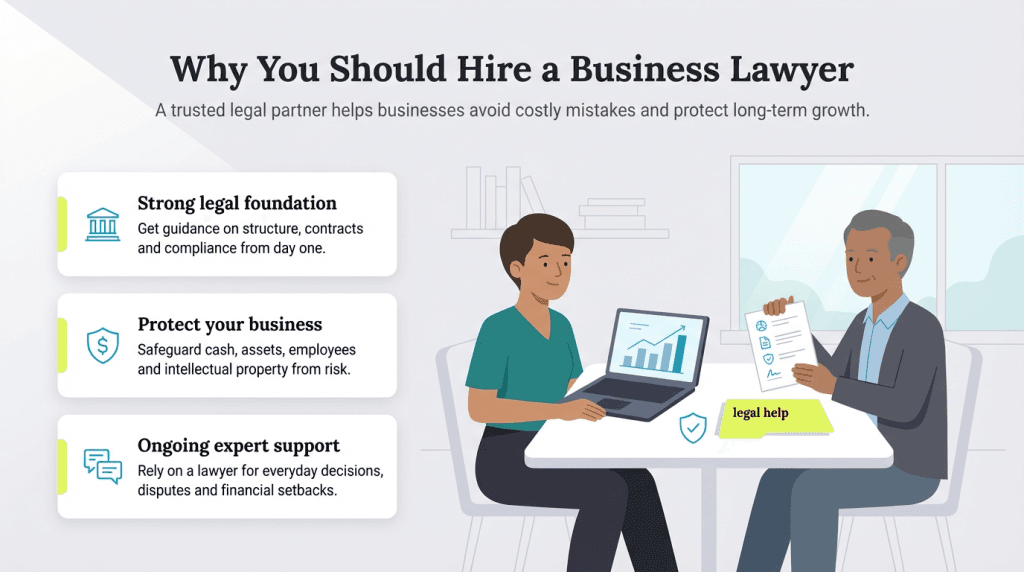
How To Choose A Startup Lawyer
Selecting the right legal partner is key. Not every lawyer understands startups.
What To Look For
- Startup experience: Not all lawyers know the unique needs of startups.
- Transparent pricing: Ask about flat fees, not just hourly rates.
- Clear communication: You need simple advice, not legal jargon.
Non-obvious insight: Many startup lawyers offer free first consultations. Use this to ask tough questions and judge their fit.

Credit: www.amazon.com.be
Practical Steps To Avoid Costly Legal Mistakes
Startups can take simple actions to stay safe:
- Get legal advice early: Don’t wait until you have problems.
- Use contract templates: But always customize for your needs.
- Register IP quickly: Protect your brand and inventions before launching.
- Keep records: Save all contracts, emails, and receipts.
- Budget for legal costs: Set aside at least $2,000 for startup legal fees.
Real-world tip: Legal mistakes are cheaper to prevent than to fix. Spending a few hundred dollars now can save thousands later.
Frequently Asked Questions
What Is The Best Legal Structure For A Startup?
The best structure depends on your goals. LLC is good for flexibility and protecting personal assets. Corporation suits startups seeking investors. Always consult a lawyer for your specific situation.
How Do I Protect My Startup’s Intellectual Property?
Register trademarks for your name and logo, file patents for inventions, and use copyrights for creative works. Make sure all employees and contractors sign IP assignment agreements.
What Contracts Should Every Startup Have?
Startups need contracts for employees, contractors, partnerships, customer agreements, and NDAs. Also include website terms and privacy policies.
What Are Common Legal Mistakes In Fundraising?
Not following securities laws, unclear investor agreements, and mixing personal/company funds are top mistakes. Always use proper legal documents and filings.
How Much Do Legal Services For Startups Usually Cost?
Startup legal costs vary. Basic setup can be $1,500–$2,500. Complex issues like fundraising or IP protection can cost more. Some lawyers offer flat fees or package deals.
Getting the legal side right is a smart investment. Legal services for startups are not just paperwork—they protect your ideas, money, and future. If you plan well, you can avoid costly mistakes and focus on building your business. For more in-depth legal guidance, visit Nolo’s Startup Law Guide.

Credit: www.californiaemploymentlawreport.com
Read More:
- Best Legal Services for Estate Planning And Wills: Top Picks
- Legal Services for Trademark and Copyright Protection: Ultimate Guide
- Top-Rated Legal Services for Criminal Defense: Your Best Options
- Why Online Legal Services Are Growing Rapidly: Key Drivers Explained
- How Legal Services Help You Win Compensation Claims Fast
- Best Legal Services for Tax Problems and IRS Issues Explained
- Best Employment Legal Services for Workers’ Rights: Protect Yourself
- Legal Services for Debt Settlement and Bankruptcy: Expert Guidance