
Facing debt problems can feel overwhelming. When bills pile up and calls from creditors keep coming, many people feel lost and stressed. Debt settlement and bankruptcy are two legal paths that can help you regain control. Understanding these options—and how legal services guide you through them—can make a huge difference.
This article explains how lawyers help with debt settlement and bankruptcy, compares both solutions, shares practical advice, and answers common questions. Whether you owe credit card debt, medical bills, or personal loans, you’ll find useful information to help you make smart decisions.
What Are Legal Services For Debt Settlement?
Legal services for debt settlement focus on negotiating with creditors to reduce the amount you owe. Debt settlement lawyers work directly with lenders, credit card companies, and collection agencies. Their goal is to help you pay off your debts for less than the total balance.
How Debt Settlement Works
Debt settlement is different from simply paying bills. Instead, your lawyer contacts your creditors and tries to agree on a lower payment. This process may involve:
- Reviewing your total debt and financial situation
- Contacting creditors to negotiate reduced balances
- Structuring payment plans
- Ensuring all agreements are in writing
For example, if you owe $10,000 on a credit card, a lawyer might negotiate with the bank to settle for $5,000. Once you pay the agreed amount, the rest is forgiven.
Benefits Of Using Legal Services
- Expert negotiation: Lawyers know how to talk to creditors and get better deals.
- Legal protection: They make sure settlements are fair and follow the law.
- Written agreements: Legal help ensures you have proof of settlement, protecting you from future claims.
Common Mistakes In Debt Settlement
Many people try to negotiate on their own and miss important details. For example, some agree to verbal deals without written confirmation. Others don’t understand that forgiven debt may be taxable. Legal services help avoid these problems.
Bankruptcy: Legal Services And Guidance
Bankruptcy is a formal process to erase or restructure debt under court supervision. Lawyers help you decide if bankruptcy is right for you and guide you through every step.
Types Of Bankruptcy
In the US, the most common types are Chapter 7 and Chapter 13.
| Type | Who Qualifies | Main Features | Time to Complete |
|---|---|---|---|
| Chapter 7 | Individuals with low income | Liquidates assets to pay debts; most debts erased | 3-6 months |
| Chapter 13 | Individuals with regular income | Creates payment plan; some debts reduced | 3-5 years |
Role Of Bankruptcy Lawyers
Bankruptcy lawyers help you:
- Assess which type fits your situation
- Prepare and file all paperwork
- Represent you in court
- Explain which debts can be erased and which must be paid
They also protect you from creditor harassment and make sure all laws are followed.
Key Steps In Filing For Bankruptcy
- Initial consultation: Lawyer reviews your finances and advises the best path.
- Gathering documents: You’ll need bank statements, pay stubs, tax returns, and a list of debts.
- Court filing: Your lawyer files your case with the bankruptcy court.
- Meeting of creditors: You attend a brief meeting to answer questions.
- Resolution: The court decides how your debts will be handled.
Risks And Limitations
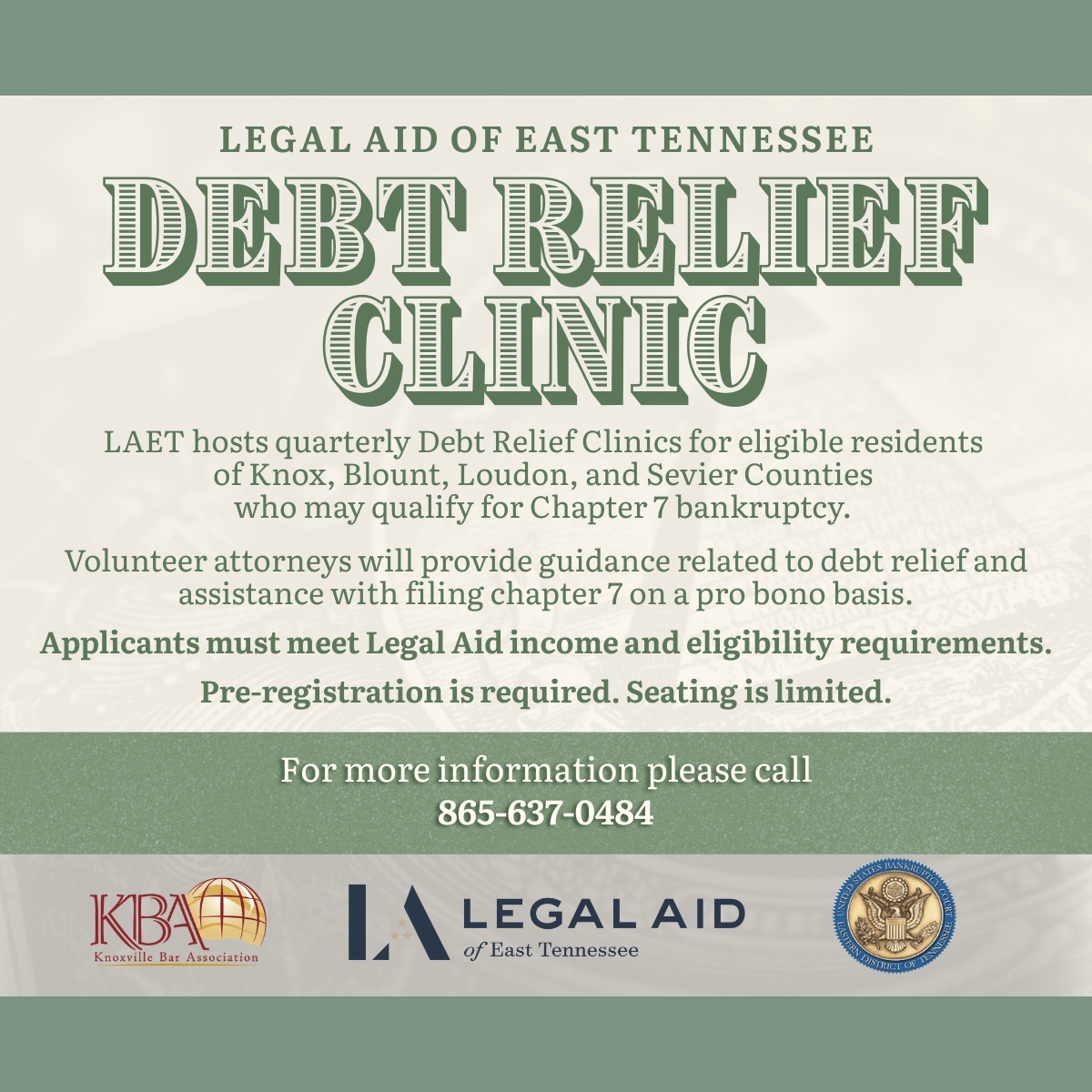
Bankruptcy can stop foreclosure and erase many debts, but it also affects your credit score for years. Some debts, like student loans and child support, usually cannot be erased. Legal advice is key to understanding these limits.
Credit: www.laet.org
Debt Settlement Vs. Bankruptcy: Choosing The Right Option
You may wonder which path is better—debt settlement or bankruptcy. Both have pros and cons, and the right choice depends on your situation.
| Feature | Debt Settlement | Bankruptcy |
|---|---|---|
| Impact on Credit | Negative, but less severe than bankruptcy | Major drop; stays for 7-10 years |
| Time to Complete | Months to 2 years | 3-6 months (Chapter 7), 3-5 years (Chapter 13) |
| Cost | Legal fees + settled amount | Legal fees + court costs |
| Debt Forgiveness | Partial, negotiated | Full (some debts); payment plan (others) |
| Asset Protection | Usually keeps assets | May lose some assets (Chapter 7) |
When To Choose Debt Settlement
- If your debts are not too large
- If you want to avoid court
- If you want to protect your credit score
When Bankruptcy May Be Better
- If you owe more than you can pay
- If creditors are suing you
- If you want a fresh start
Many people miss the fact that debt settlement can also lead to tax bills. The IRS may tax forgiven debt as income. Bankruptcy, on the other hand, often wipes debts without tax consequences.
Finding The Right Legal Service
Choosing the right lawyer is important. You need someone experienced in both debt settlement and bankruptcy. Here are tips to help:
- Check credentials: Look for lawyers who specialize in debt law.
- Ask about experience: How many cases like yours have they handled?
- Compare fees: Get clear information about costs upfront.
- Read reviews: Look for client feedback online.
Don’t make the mistake of picking the cheapest option. Sometimes low fees mean less service or hidden costs. A good lawyer will explain everything and answer your questions.
Legal Fees And Costs
Legal fees vary based on your location, case complexity, and the lawyer’s experience. For debt settlement, lawyers may charge a flat fee or a percentage of the money saved. For bankruptcy, fees depend on the chapter filed.
| Service | Typical Fee Range | Additional Costs |
|---|---|---|
| Debt Settlement | $500 – $3,000 | Negotiated debt payment |
| Chapter 7 Bankruptcy | $1,000 – $2,500 | Court fees ($338) |
| Chapter 13 Bankruptcy | $2,500 – $4,000 | Court fees ($313); payment plan |
Some lawyers offer free consultations, which can help you understand your options before paying.
Practical Tips For Managing Debt
Even before you meet a lawyer, there are steps you can take to manage debt:
- Make a list of all debts and monthly payments
- Contact creditors and ask for lower interest rates
- Avoid new loans or credit cards
- Save documents: Keep records of all communications and agreements
- Check your credit report for errors
Many people overlook the importance of reviewing their credit report regularly. Mistakes can affect negotiations and bankruptcy filings.
Credit: www.marktyoung.com
Real-life Example
Consider Maria, who owed $30,000 in credit card debt. She tried to pay on her own but fell behind. Debt settlement lawyers negotiated with her creditors and settled for $15,000. Maria paid over a year, saving thousands and avoiding bankruptcy.
However, she received a tax bill for forgiven debt—a surprise many miss. Consulting a lawyer early can prevent such issues.
Legal Services And Consumer Protection
Legal services for debt settlement and bankruptcy also protect you from scams. Some companies promise to erase debt without legal backing. Lawyers are regulated and follow strict rules, making them safer.
The Federal Trade Commission (FTC) warns against companies that ask for large fees upfront or guarantee results. Always ask if the lawyer is licensed and check their track record.
For more details on consumer protection, visit FTC Debt Relief Resources.
Credit: bumbaughgeorge.com
Frequently Asked Questions
What Is The Difference Between Debt Settlement And Bankruptcy?
Debt settlement involves negotiating with creditors to reduce the amount owed. Bankruptcy is a legal process to erase or restructure debt under court supervision. Bankruptcy affects credit more but can erase more debt.
Can All Debts Be Erased Through Bankruptcy?
No. Some debts—like student loans, child support, and some taxes—are usually not erased. Your lawyer can explain which debts qualify.
How Long Does Bankruptcy Stay On My Credit Report?
Bankruptcy remains for 7 years (Chapter 13) or 10 years (Chapter 7). Debt settlement also affects credit, but usually for a shorter time.
Will I Lose My Home Or Car If I File For Bankruptcy?
It depends. In Chapter 7, some assets may be sold to pay creditors. Chapter 13 often lets you keep your property if you follow the payment plan.
How Do I Find A Trustworthy Lawyer For Debt Settlement Or Bankruptcy?
Look for lawyers with experience in debt law, check reviews, and ask about fees. Avoid companies that demand large fees before doing any work.
Taking action on debt problems can feel scary, but legal services for debt settlement and bankruptcy offer real solutions. With the right help, you can protect your assets, limit damage to your credit, and get a fresh start. Don’t wait until things get worse—reach out to a qualified lawyer, review your options, and take control of your financial future.
Read More:
- Best Legal Services for Estate Planning And Wills: Top Picks
- Legal Services for Trademark and Copyright Protection: Ultimate Guide
- Top-Rated Legal Services for Criminal Defense: Your Best Options
- Why Online Legal Services Are Growing Rapidly: Key Drivers Explained
- How Legal Services Help You Win Compensation Claims Fast
- Legal Services for Startups: Top Mistakes to Avoid for Success
- Best Legal Services for Tax Problems and IRS Issues Explained
- Best Employment Legal Services for Workers’ Rights: Protect Yourself