Protecting your ideas and creative work is more important than ever in today’s fast-moving business world. If you have a unique business name, logo, invention, or original content, you need to keep it safe from copycats. This is where legal services for trademark and copyright protection play a huge role. Many people think only big companies need these services, but small businesses, startups, and even individual creators can face risks if they ignore intellectual property (IP) rights.
Understanding the basics of trademarks and copyrights, knowing the services available, and recognizing how professionals can help will give you a big advantage. Whether you’re a new entrepreneur, an artist, or a tech innovator, this guide will walk you through the essentials and help you avoid costly mistakes.
What Are Trademarks And Copyrights?
Most people confuse trademarks and copyrights, but they protect different things. A trademark is a sign, word, or symbol that shows your goods or services are unique. It could be your business name, logo, or even a slogan. A copyright protects your original works like books, songs, photos, designs, or software.
| Type | What It Protects | Examples |
|---|---|---|
| Trademark | Brand names, logos, slogans | Apple logo, Nike “Just Do It” |
| Copyright | Original creative works | Books, photos, music, software code |
If you write a song, you own the copyright. If you sell shirts with a special logo, you need a trademark.
Why Trademark And Copyright Protection Matters
It’s easy to think, “No one will copy me.” But statistics tell a different story. In the U.S., the U.S. Patent and Trademark Office (USPTO) received over 870,000 trademark applications in 2022 alone. Many were filed because people discovered someone else was using their brand name or logo.
Here’s why protection is critical:
- Prevents theft – Without legal protection, others can use your ideas and profit from them.
- Builds trust – Registered trademarks and copyrights show you’re serious, making clients and partners trust you more.
- Increases business value – Investors and buyers look for protected brands and content.
- Reduces legal risks – You’re less likely to face lawsuits for accidental infringement.
One non-obvious insight: Even if you own a domain name or social media handle, you may not own the trademark. Registration is the only way to secure full legal rights.
Credit: lawyers.az
Types Of Legal Services Available
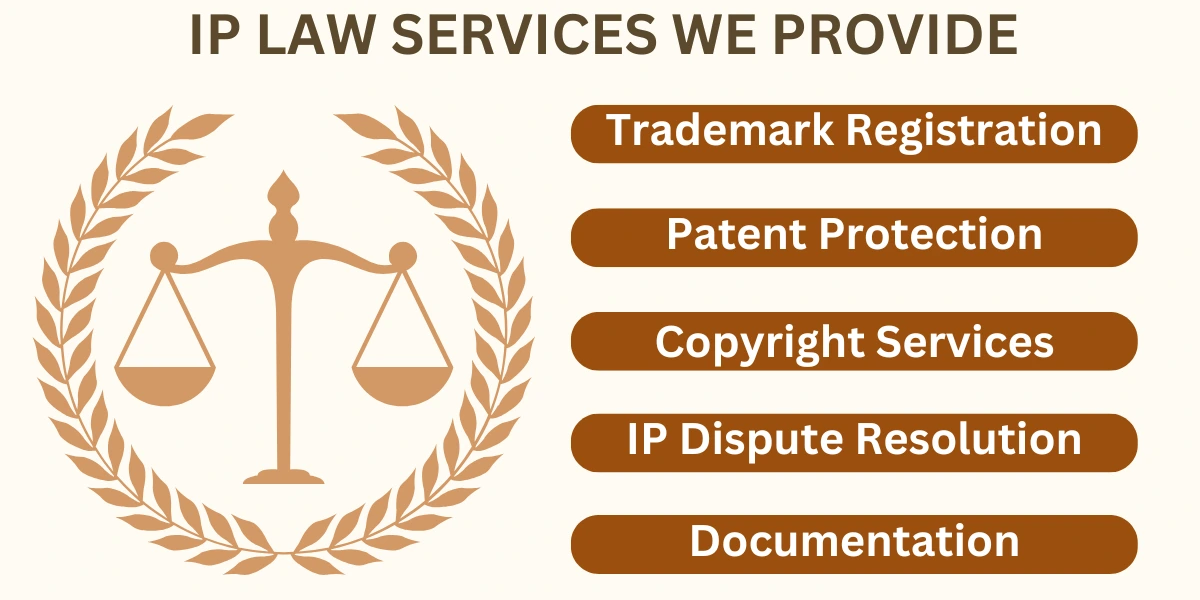
Many people try to handle IP protection alone, but laws are complex and mistakes can be expensive. Legal professionals offer several key services:
Trademark Services
- Search and clearance: Lawyers check if your name or logo is already in use. This helps you avoid rejection or lawsuits.
- Filing applications: They prepare and submit the paperwork, making sure you meet all requirements.
- Responding to office actions: If the government has questions or rejects your application, a lawyer can reply and solve problems.
- Monitoring and enforcement: Some firms watch for others using your trademark and send legal warnings if needed.
- Renewal management: Trademarks must be renewed every 10 years in the U.S. Lawyers track deadlines and file for you.
Copyright Services
- Registration: Attorneys file your work with the U.S. Copyright Office or other agencies.
- Licensing agreements: They draft contracts so you can sell or share your work safely.
- Cease and desist letters: If someone copies your work, lawyers send official notices to stop them.
- Litigation: If needed, they represent you in court to protect your rights.
A hidden benefit: Lawyers often spot weak points in your IP strategy, such as missing protection for a product design or slogan.
Trademark Registration: How It Works
Registering a trademark is more than just filling out a form. The process has several steps:
- Search: Check for similar names or logos. This lowers the risk of rejection.
- Application: Submit details about your business, logo, and products to the USPTO or your country’s office.
- Review: The office examines your application and may ask questions.
- Publication: Your trademark is published for others to challenge.
- Registration: If no one objects, your trademark is registered.
| Step | Time Frame | Common Issues |
|---|---|---|
| Search | 1-2 weeks | Overlapping marks found |
| Application | 1-2 months | Incorrect classes, incomplete info |
| Review | 6-12 months | Office actions, objections |
| Publication | 1-3 months | Oppositions from others |
| Registration | 1-2 months | Missed deadlines |
Many applications are delayed or denied due to small mistakes. That’s why legal help can save you months of frustration.
Copyright Registration And Enforcement
Copyright protection happens automatically when you create something original, but registration gives you stronger rights. If you want to sue for damages or recover legal fees, you must register.
Key Steps
- Prepare your work: Make sure you have clear records of authorship and the date you created it.
- File with the Copyright Office: Submit your work, author details, and a small fee.
- Receive certificate: This is proof you own the work.
If someone steals your content, a registered copyright makes it much easier to demand takedowns or go to court.
A practical example: A photographer who registers images can quickly remove stolen pictures from social media or websites by sending the certificate to hosting companies.
Common Mistakes When Protecting Intellectual Property
Even smart business owners and creators make mistakes. Here are some you should avoid:
- Waiting too long: If you delay registration, someone else can register first and block your use.
- Choosing weak marks: Generic names like “Best Shoes” are hard to protect. Unique names stand out.
- Not watching for misuse: If you don’t monitor, others can use your IP without you knowing.
- Ignoring international protection: Your rights in one country don’t cover others. Register in key markets.
- Assuming free use: Just because something is online doesn’t mean it’s free to use.
Here’s a quick comparison of strong vs. weak trademarks:
| Trademark Type | Example | Protection Strength |
|---|---|---|
| Made-up word | Very strong | |
| Suggestive | Netflix | Strong |
| Descriptive | Quick Cleaners | Weak |
| Generic | Shoe Store | No protection |
Choosing The Right Legal Service
Not all legal help is the same. Here’s how to choose wisely:
- Experience: Look for lawyers or firms with a strong track record in trademark and copyright law.
- Specialization: Some focus on tech, fashion, art, or international business. Pick one that matches your industry.
- Clear fees: Good firms explain costs upfront. Avoid those with hidden charges.
- Personal attention: You want someone who listens to your needs, not just a big company’s standard solution.
A non-obvious tip: Some law firms offer flat-fee packages for startups or small businesses, which can save money and give you predictable costs.
International Trademark And Copyright Protection
If you plan to sell or share your work outside your home country, think about international protection early.
- Trademarks: The Madrid Protocol lets you file one application that covers over 120 countries.
- Copyrights: The Berne Convention (an international treaty) means your registered work is protected in over 170 countries.
But remember, each country’s rules and enforcement can be different. A legal expert can help you decide where and how to file.

Credit: store.nolo.com
When To Hire A Lawyer Vs. Do-it-yourself
Some online services promise easy registration for a small fee. While these can help with simple filings, they don’t offer legal advice or handle problems.
DIY may work if:
- Your mark or work is unique and not similar to others.
- You have time to learn the rules.
- Your budget is tight.
Hire a lawyer if:
- Your brand is valuable or likely to grow.
- You need protection in multiple countries.
- Someone is already using a similar name, logo, or content.
Two insights beginners miss:
- A lawyer can help you create a long-term IP strategy, not just file paperwork.
- If you make a mistake, fixing it later usually costs much more than doing it right the first time.
The Cost Of Trademark And Copyright Legal Services
Many people worry about costs, but not protecting your IP can be much more expensive. Here are typical price ranges:
- Trademark search and advice: $300–$800
- Trademark filing (US): $250–$400 per class (government fee), plus $500–$1,500 legal fee
- Copyright registration: $45–$125 (government fee), plus $200–$500 legal fee
If you need to enforce your rights or go to court, the price can rise quickly. That’s why good planning is smart.
For more details about IP law and government resources, visit the United States Patent and Trademark Office.
Credit: www.legals365.com
Frequently Asked Questions
What Is The Difference Between A Trademark And A Copyright?
A trademark protects brand names, logos, and slogans that identify your business or products. A copyright protects original creative works like writing, music, or photos. They cover different types of property.
How Long Does Trademark And Copyright Protection Last?
A registered trademark can last forever, as long as you renew it and keep using it. Copyright usually lasts for the creator’s life plus 70 years (in the U.S.), but there are exceptions for works made for hire.
Can I Get Protection In Other Countries Automatically?
No. Trademark rights are country-specific. For wider coverage, use the Madrid Protocol. Copyright is protected in many countries through the Berne Convention, but enforcement can vary.
What Should I Do If Someone Is Using My Brand Or Work Without Permission?
Contact a lawyer right away. They can send a cease and desist letter or start legal action. Do not try to threaten or sue on your own, as this can backfire.
Is It Worth Hiring A Lawyer For Small Businesses Or Solo Creators?
Yes. Even small brands and creators can lose income or face lawsuits without proper protection. Lawyers can help you avoid simple mistakes and save money in the long run.
Protecting your ideas is not just for big companies. Small businesses, startups, and creators need strong legal services for trademark and copyright protection to stay safe and grow. By taking smart steps and seeking the right help, you can avoid common risks, defend your work, and build a brand that lasts.
Read More:
- Best Legal Services for Estate Planning And Wills: Top Picks
- Top-Rated Legal Services for Criminal Defense: Your Best Options
- Why Online Legal Services Are Growing Rapidly: Key Drivers Explained
- How Legal Services Help You Win Compensation Claims Fast
- Legal Services for Startups: Top Mistakes to Avoid for Success
- Best Legal Services for Tax Problems and IRS Issues Explained
- Best Employment Legal Services for Workers’ Rights: Protect Yourself
- Legal Services for Debt Settlement and Bankruptcy: Expert Guidance